
Call Our Office Today
(512) 337-9774
Austin Weapons Charges Lawyer
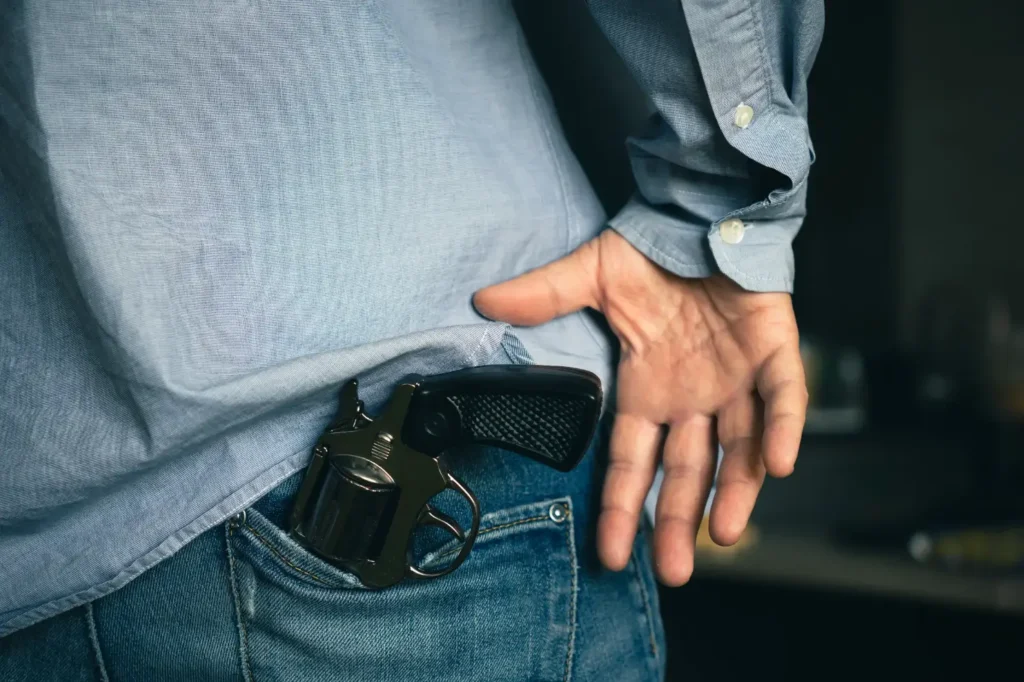 Texas has a reputation for being welcoming to gun owners, but that doesn’t mean a gun crime charge won’t lead to serious penalties. Depending on the type of crime you’ve been charged with, you could face serious jail or prison time along with heavy fines.
At Marc Chavez Law Firm, we use prosecutorial experience to your advantage. Our firm is headed by a former prosecutor who knows how the state builds its case and where its arguments may fall apart. Contact our office online or call 512-337-9774 to schedule your consultation so we can protect your rights.
Types of Weapons Charges in Texas
Weapons charges in Texas cover a wide range of offenses. Some of the most common include unlawful possession of a firearm, carrying a weapon into a prohibited location, and using a deadly weapon during the commission of another crime.
You can also be charged for unlawful transfer of a firearm or for possessing a weapon as a convicted felon. Even individuals with no prior criminal history can face charges for technical or unintentional violations of Texas weapons laws.
When it comes to gun charges, context can matter. If you did not act with criminal intent, that could be a mitigating factor that leads to leniency in court. A skilled defense attorney can evaluate the exact charge, review the facts, and determine whether the state has enough evidence to proceed or if dismissal is possible.
Penalties for a Weapons Conviction
The penalties for a weapons-related conviction in Texas depend on the type of charge and whether there are any aggravating factors. A conviction may result in jail or prison time, heavy fines, and the loss of your right to own or carry a firearm.
If a weapon was used while committing another crime, the consequences may be enhanced, even if no one was injured. These are known as aggravating factors, and they can elevate a misdemeanor to a felony. Felony convictions can follow you for the rest of your life, affecting job prospects, housing, and more.
Even misdemeanor weapons offenses can carry serious weight. That’s why it’s essential to address the charge early. An experienced attorney can help reduce or avoid penalties through pretrial negotiations, dismissal motions, or strong courtroom advocacy.
Building a Strong Legal Defense Strategy
Every weapons case begins with a close look at how the arrest occurred and what evidence the prosecution has obtained. Was the weapon found through an illegal search? Were you lawfully carrying under a license or Texas’s permitless carry law? Was the weapon even yours? If you used your weapon in self-defense and there was a credible threat to your safety, your actions may be justified under the law.
These are just a few of the questions that can shape your defense. Marc Chavez Law Firm uses his background as a prosecutor to quickly identify weak points in the state’s case, such as inconsistent eyewitness testimony. If the search was unlawful or the facts don’t support the charge, we may push for dismissal.
By chipping away at the state’s case, our lead attorney can reduce the chances that you face the most serious consequences under the law. Legal representation can lead to reduced or dropped charges. In some cases, a favorable plea bargain agreement can allow defendants to put an unfortunate ordeal behind them.
Understanding When a Firearm Enhances Other Charges
In Texas, using or even displaying a weapon during the commission of another crime can enhance the severity of the charge.
A simple offense may suddenly become a felony and bring much more serious penalties and longer sentences upon conviction. These are commonly referred to as “deadly weapon” enhancements. Common charges that may lead to enhanced penalties can include:
- Assault
- Burglary
- Robbery
- Drug crimes
- Threats
Prosecutors may use enhancements to place pressure on the accused. This is where the services of an attorney who understands how prosecutors think can be of benefit. Legal representation can allow you to question the addition of enhancements, so you do not have to contend with the additional penalties that come with aggravating factors related to a firearm.
Understanding Texas’s Unlawful Possession and Carry Restrictions
Texas does allow permitless carry under certain circumstances and for certain individuals, but that doesn’t mean anyone can carry a gun, especially if they are intoxicated or in an area that prohibits firearms, like a school or bar.
Some individuals, such as felons, are commonly barred from owning or possessing a firearm. People under a protective order may be prohibited from owning a firearm or possessing a gun. Mental health concerns can lead judges to issue orders for someone going through a mental health crisis to forfeit their firearms.
Even when someone is lawfully allowed to own a gun, there are laws governing how those firearms are stored and transported. The rules can be complicated and not always obvious, which is why legal representation can play a critical role in preventing gun owners from inadvertently breaking the law.
Frequently Asked Questions About Texas Weapons Charges
What Is a Strong Defense Against Gun Crime Charges in Texas?
A strong defense often starts with how the weapon was found. If law enforcement violated your Fourth Amendment rights during a search or seizure, that evidence may be suppressed. Other defenses include lack of knowledge or intent, valid carry permits, or proof that the weapon was not in your possession or control.
What’s the Difference Between Unlawful Possession and Unlawful Carry?
Unlawful possession refers to someone who is not legally allowed to own a firearm at all. Unlawful carry applies when the person can own the weapon but brings it somewhere, but it’s not allowed.
Can I Lose My Gun Rights After a Conviction?
Yes. Certain misdemeanor and felony convictions can result in the loss of your right to carry or possess a firearm under both Texas and federal law.
Call Marc Chavez Law Firm Today
Weapons charges can lead to life-altering consequences. Rather than accepting an unfavorable plea bargain agreement or pleading guilty without knowing your options, give our trusted law firm a call.
Our founding attorney was previously recognized as a Rising Star and, for the last four years, has been named a Super Lawyer by a respected attorney rating service. We regularly represent clients who are facing serious gun crime charges, and we can help you secure a favorable outcome for your case. Call 512-337-9774 or contact us online today to schedule your consultation.

Contact Us
schedule a Consultation Today
Fields Marked With An * Are Required
"*" indicates required fields
Call Our Office Today
512-337-9774
Round Rock Office
2251 Double Creek Drive Suite #601
Round Rock, TX
78664
NEW Austin Office
505 W 12th Street Suite #200M
Austin, TX
78701
