
Call Our Office Today
(512) 337-9774
Austin Juvenile Defense Attorney
Safeguarding Your Child’s Future

For a no-cost initial consultation, reach out to us at 512-337-9774, and allow us to assist you in taking on the juvenile justice system with ease.
If your child is facing legal challenges, it’s essential to act promptly to ensure their rights are protected. At Marc Chavez Law Firm, we focus on juvenile criminal defense, providing detailed and empathetic legal services aimed at safeguarding your child’s future. We firmly believe that youthful errors should not dictate an entire life’s path. Our commitment is to mount a solid defense that seeks to maintain the full spectrum of opportunities for young individuals to learn and progress.
Schedule a consultation today and let us help you build a robust defense strategy. Your future is too important to leave to chance.
Understanding the Juvenile Justice System in Williamson County, TX
Facing the juvenile justice system in Williamson County can be a daunting task, especially when a child’s future is at stake. Defined as individuals between 10 and under 17 years of age, juveniles face a system designed to protect their privacy and foster rehabilitation.
Most cases involving juvenile charges commence with a delinquency petition, leading to a court hearing that determines their fate based on the Texas Family Code and Penal Code.
[Related: What Steps Can Parents Take If Their Child Is Charged With a Juvenile Offense in Austin, Texas?]
Differences Between Juvenile and Adult Court Systems
The juvenile court system, including the Williamson County Court, stands apart from its adult counterpart in several fundamental ways. Designed with the privacy and future of the minor in mind, juvenile court hearings in Williamson County are typically held behind closed doors, a contrast to the adult system’s public proceedings. The aim here is rehabilitation over punishment, with the belief that juveniles deserve the opportunity for correction and reintegration into society.
Sentences in the juvenile courts are more flexible, creating pathways for education and personal growth rather than simply imposing punitive measures.
[Related: Can My Child Be Tried as an Adult for Certain Offenses?]
The Juvenile Court Process
A child taken into custody in the juvenile system will first face a detention hearing within two working days, ensuring their rights are considered promptly.
It’s during the disposition hearing that a judge will decide on the appropriate measures for rehabilitation or punishment, taking into account the best interests of both the child and the community.
[Related: What Can Be Done to Ensure a Juvenile’s Education Is Not Disrupted During the Legal Process?]
How a Juvenile Defense Attorney Can Help
A juvenile defense attorney is key to ensuring that the child’s rights are upheld throughout the legal process. In Williamson County, where the stakes are high, such an attorney is essential not only for mounting an effective response to government prosecutors but also for exploring avenues that might safeguard the child’s future, such as plea agreements or diversion programs.
With a deep understanding of criminal law, juvenile law, and the nuances of each case, a criminal defense attorney at Marc Chavez Law Firm can be the difference between a harsh penalty and a second chance.
Challenging Evidence and Building a Strong Defense
Building a solid defense requires an examination of the prosecution’s evidence and the credibility of their witnesses. An effective juvenile defense attorney can:
- Diligently investigate every aspect of the case, leaving no stone unturned to ensure a thorough defense.
- Conduct in-depth interviews with witnesses to obtain detailed accounts that may support the juvenile’s case.
- Call upon expert testimonies to provide authoritative insights that can bolster the defense strategy.
- Strategically create reasonable doubt by challenging the prosecution’s evidence and assertions.
- Influence the jury’s perception by presenting the juvenile in a favorable light, emphasizing their potential for rehabilitation and positive future contributions.
The ultimate goal is to secure a verdict or plea deal that serves the child’s best interests, whether that’s a not guilty verdict or an alternative resolution that minimizes impact on their future.
[Read: Making or Breaking a Case Can Depend on the Presentation of Eyewitness Testimony]
Sealing or Expunging Juvenile Records: A Second Chance for Minors
 The juvenile justice system recognizes that young people have the capacity for change and growth. As such, it provides mechanisms like sealing or expunging juvenile records to protect minors from the lifelong consequences of early mistakes. Sealing a record limits who can see a juvenile’s criminal history, while expungement effectively erases it, offering a fresh start.
This process is crucial for juveniles as they transition into adulthood, seeking employment, education, and various opportunities that could be hindered by a criminal record. By sealing or expunging records, the system acknowledges that children can learn from their past and should not be perpetually punished for actions taken during their formative years.
Understanding the eligibility criteria and the legal process for sealing or expunging records can be difficult, but it is a vital step in safeguarding a young person’s future. An experienced juvenile defense attorney can provide invaluable assistance in this process, ensuring that all necessary steps are taken to secure a minor’s right to a clean slate.
Expungement Eligibility
Expungement eligibility is a crucial aspect for minors who have had encounters with the law, as it provides a pathway to erase the mistakes of their past from public records.
The process of expungement is not automatic and requires meeting certain criteria, which can vary depending on the nature of the offense, the time elapsed since the offense, and the overall conduct of the juvenile since the incident. Generally, eligibility for expungement includes the completion of all court-ordered programs and sentences, a period without additional legal issues, and a demonstration of rehabilitation and positive behavior.
Understanding these criteria and the steps involved in pursuing expungement is essential for minors and their families. It is a legal process that often necessitates the guidance of a skilled juvenile defense attorney, who can understand the intricacies of the law and advocate for the minor’s right to a second chance. By successfully expunging their records, eligible juveniles can look forward to a future unencumbered by the weight of past transgressions, opening doors to educational and employment opportunities that might otherwise be closed.
Common Juvenile Offenses and Potential Consequences
Juvenile offenses can carry severe consequences that may shadow a young person for years to come. From driver’s license suspensions to the establishment of a criminal record or even detention in a state facility, these outcomes can close doors to future opportunities. The balance between holding juveniles accountable and enabling their rehabilitation is delicate, requiring a defense that is as compassionate as it is strategic.
With the right defense attorney, the potential negative impact of these offenses can be mitigated, ensuring that youthful indiscretions do not define a child’s future.
Drug-Related Offenses
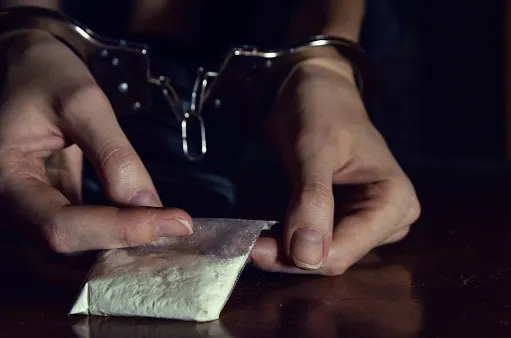
Drug-related offenses among juveniles in Texas can range from possession of marijuana to the sale or delivery of controlled substances. The consequences for such offenses can be severe and may include:
- Mandatory rehabilitation programs, which may include counseling and education on substance abuse, to guide juveniles toward making better life choices.
- Community service is tailored to benefit both the juvenile and the community, fostering a sense of responsibility and civic engagement.
- Court fee payments can serve as a financial reminder of the consequences of their actions and the importance of adhering to the law.
- Probation could extend into adulthood, providing long-term supervision and support to help prevent future offenses.
It is important to be aware of the potential consequences and to seek legal advice if you or someone you know is facing drug-related charges as a juvenile.
Each case brings its unique details, but with the right legal defense, it’s possible to navigate these challenges and secure outcomes that prioritize the juvenile’s long-term well-being.
[Read: What You Need to Know About Texas Cocaine Laws]
Property Crimes
 Property crimes, encompassing offenses like theft, arson, and vandalism, are not uncommon in juvenile cases. These juvenile crimes can cover a spectrum of activities, including:
- Shoplifting – a common juvenile offense that involves the unauthorized taking of goods from a retail establishment. It’s often a juvenile’s first brush with the legal system.
- Burglary – the unlawful entry into a building with the intent to commit a crime, typically theft. This is a more serious offense that can result in significant legal consequences.
- Robbery – a crime that involves taking property from another person through force or threat of force. This is a violent offense and is treated with particular severity in the juvenile justice system.
- Arson – the willful and malicious burning of property, which is a serious felony that can lead to severe penalties including detention in a juvenile facility.
- Vandalism – the act of deliberately destroying or damaging property. It ranges from graffiti to smashing windows, often seen as a cry for attention or a form of rebellion.
- Fraud – involves deceitful practices to gain an unfair advantage or to obtain goods, services, or money. It can include identity theft, forgery, or scamming, and carries serious implications for a juvenile’s future.
Each crime varies in severity and consequence. The repercussions can be significant, affecting not just the immediate legal situation but also impacting the juvenile’s prospects.
Defending against these charges requires a nuanced understanding of family law and a strategy tailored to the specifics of the child’s case.
Violent Crimes
 Violent crimes, such as sexual assault, robbery, and capital murder, are among the most serious criminal offenses a juvenile can face. These criminal charges demand a strong defense to protect the juvenile’s rights and future, as the consequences can be far-reaching and life-altering.
A defense that can effectively address the charges within the criminal justice system, while considering the juvenile’s potential for growth and rehabilitation, is essential for ensuring a just and fair resolution.
[Read: What Are the Manslaughter Laws in Texas]
Our Approach to Juvenile Criminal Defense
At Marc Chavez Law Firm, we understand that every juvenile case is more than just a legal challenge; it’s an opportunity to steer a young life back on track. Our approach is rooted in a deep commitment to each client, drawing upon our extensive experience and the insights gained from years of practice.
Our clients have praised our ability to guide them through their legal journeys with accessibility, understanding, and a track record of securing favorable results.
Personalized Representation
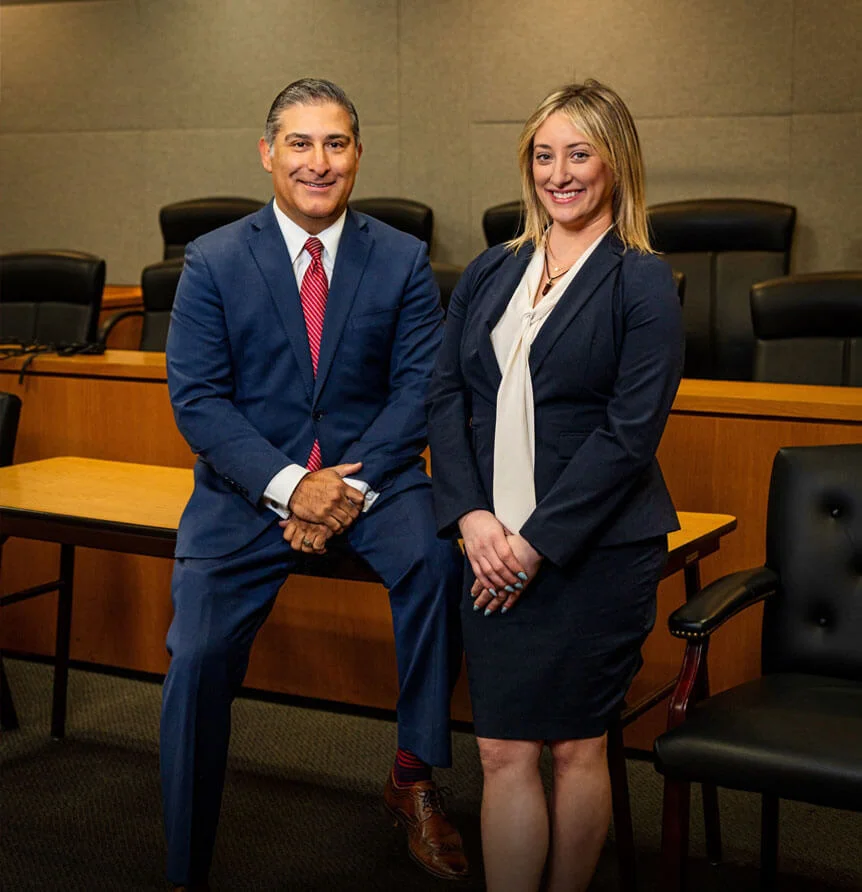 Our commitment to personalized representation ensures that we see the person behind the case number, not just as a client, but as a young individual with a future that can be shaped for the better.
We craft a defense strategy that is as unique as the juvenile client we are representing. We understand that no two cases are the same, and as such, no two defense strategies should be either. Our team takes into account the specific details and nuances of each case, ensuring that every aspect of the juvenile’s situation is considered when forming our legal approach.
By offering a free consultation, we take the time to understand each client’s situation in depth, ensuring that their legal needs are met with the full weight of our resources. This initial meeting is crucial, as it allows us to build a rapport with our clients, understand their concerns, and begin constructing a comprehensive defense that aligns with their best interests. It’s the first step in forging a partnership that is based on trust, respect, and our unwavering dedication to their cause.
Collaborative Team Effort
At Marc Chavez Law Firm, our collaborative approach is what sets us apart. Combining the knowledge of seasoned lawyers with the keen insights of our investigative and mitigation teams, we create a multi-faceted strategy that looks at every angle of the case. This team effort ensures that we can provide not just a defense, but the best outcome for our clients, whether that means community service, rehabilitation, or other alternatives to confinement.
Don’t wait to get the defense that you require. At Marc Chavez Law Firm, we’re here to help. Call us today at 512-337-9774 to set up your free consultation. Your future begins today.
Frequently Asked Questions
What steps can parents take if their child is charged with a juvenile offense?
When a child is charged with a juvenile offense, it’s crucial for parents to take immediate and informed action. The first step is to contact a juvenile defense attorney who has experience in the juvenile justice system. It’s essential to select an attorney with experience in defending young clients to ensure that their rights are protected throughout the process.
Additionally, parents can help by gathering any evidence that may be beneficial to their child’s case, such as witness statements or documentation of their child’s character and history. It’s also advisable to discuss with your attorney the possibility of character references or support from community members who know your child well.
What can be done to ensure a juvenile’s education is not disrupted during the legal process?
Ensuring that a juvenile’s education continues uninterrupted during the legal process is a priority. Marc Chavez Law Firm collaborates with educational institutions to arrange for alternative schooling or tutoring as needed. We also work with the court to schedule proceedings in a way that minimizes conflict with the juvenile’s school hours whenever possible. It is important to maintain a sense of normalcy and stability for the juvenile, and education plays a key role in that.
What should a juvenile do immediately after being arrested?
If a juvenile is arrested, it is crucial to remain calm and to understand their rights. The juvenile should refrain from discussing the case with law enforcement until they have an attorney present. The first action should be to contact a parent or guardian and then seek the assistance of a juvenile defense attorney who can provide legal advice and guidance throughout the process.
How does the juvenile justice system in Williamson County work to protect the privacy of minors?
In Williamson County, the juvenile justice system places a high emphasis on the privacy and dignity of minors going through legal proceedings. Unlike adult courts, where cases are often handled in a public forum and can attract media attention, juvenile court hearings are conducted behind closed doors. This ensures that the sensitive details of a young person’s case are not exposed to the public eye, thereby safeguarding their reputation and allowing them to maintain a level of normalcy in their daily lives.
The rationale behind this approach is to prevent the stigmatization and potentially lifelong impact that public exposure could have on a juvenile’s future. By keeping these proceedings private, the system aims to foster an environment where young offenders have the opportunity to learn from their mistakes without the additional burden of public scrutiny. This aspect of the juvenile justice system is integral to its rehabilitative mission and reflects a commitment to treating minors with the care and discretion they deserve.
Client Review
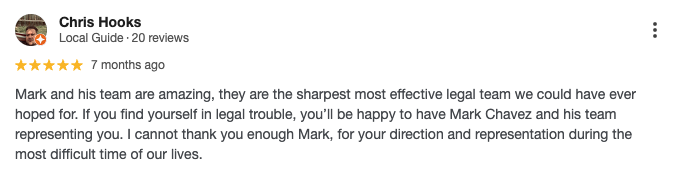
https://share.google/O7QYoBjVpo4fY1ajh
Read more of our Google Reviews.

Contact Us
schedule a Consultation Today
Fields Marked With An * Are Required
"*" indicates required fields
Call Our Office Today
512-337-9774
Round Rock Office
2251 Double Creek Drive Suite #601
Round Rock, TX
78664
NEW Austin Office
505 W 12th Street Suite #200M
Austin, TX
78701
