
Call Our Office Today
(512) 337-9774
What Happens If I Refuse a Breathalyzer During a DWI Stop in Austin?
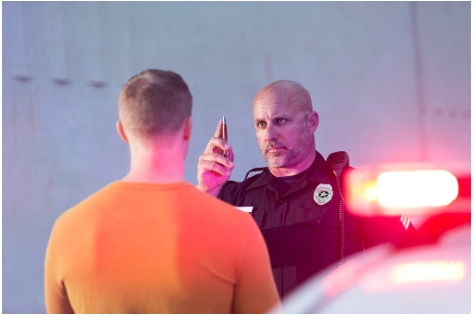
Refusing a breathalyzer during a DWI stop in Austin can be a complex decision with significant legal ramifications. A breathalyzer is a device used by law enforcement to measure an estimate of your blood alcohol concentration (BAC). Refusing to take this test might seem like a good idea to avoid a DWI charge, but it can lead to serious consequences.
At Marc Chavez Law Firm, we understand the challenges and potential pitfalls of DWI cases. We offer free consultations to discuss your case and explore your options. Don’t navigate this challenging situation alone—call us today at 512-337-9774, and we will help protect your rights and minimize the impact on your life.
Understanding Texas Implied Consent Laws
Understanding the legal principles behind Texas’s implied consent laws is crucial for all drivers. In Texas, when you get a driver’s license, you automatically agree (or “imply consent”) to take chemical tests, like a breathalyzer, if the police think you are driving under the influence (DWI). This agreement is a condition of having a driver’s license in the state.
Implied consent means that if you are lawfully arrested for a DWI, you must take a chemical test to check your blood alcohol concentration (BAC). Refusing these tests can lead to serious legal consequences, including losing your license and paying fines. Knowing these laws helps you understand what to expect during a DWI stop and how to protect your rights.
You can legally refuse a breathalyzer or blood test before arrest without facing penalties. However, after an arrest, refusal can lead to severe legal consequences, often more severe than those for failing a breath test.
Immediate Consequences of Refusing a Breathalyzer
 Refusing a breathalyzer test during a DWI stop triggers immediate consequences. Here are some of the main non-criminal penalties you may face:
- License Suspension: Your driver’s license can be suspended almost immediately, affecting your ability to drive and your daily routine.
- Arrest and DWI Charges: Refusing a breathalyzer can lead to arrest and DWI charges. The refusal can be seen as evidence of guilt, suggesting you were trying to hide intoxication.
- Longer Suspension Duration: For a first offense, your license can be suspended for up to 180 days. If you refuse again, the suspension can be extended to two years.
- Impact on Legal Defense: Refusing the test can make your legal defense more difficult, as it might look like you were trying to obstruct justice.
These immediate penalties show why it’s important to understand the consequences of refusing a breathalyzer. Trying to avoid one problem might create a bigger issue, making your legal situation even more complicated. At Marc Chavez Law Firm, we are dedicated to helping you with these complexities.
License Suspension and Administrative Penalties
In Texas, refusing a breathalyzer leads to administrative penalties, mainly the suspension of your driver’s license. A first-time refusal can result in a 180-day suspension, which can extend to two years for repeated refusals. This poses a significant issue for repeat offenders.
When you refuse a breath test, your driver’s license is immediately taken away. You might get a temporary permit that allows limited driving, like going to work or school. However, not having full driving privileges can seriously disrupt your daily life.
Refusing a breath test brings harsher penalties than failing one because it is seen as an attempt to hide evidence of intoxication. These penalties are meant to ensure public safety and discourage people from refusing breath tests during DWI stops.
How Refusing a Breathalyzer Can Impact Your DWI Case
Refusing a breathalyzer during a DWI stop can significantly impact your case in Austin. Prosecutors may see your refusal as evidence of guilt, suggesting you were aware of your intoxication and trying to hide it. This presumption makes defending against DWI charges more challenging.
Penalties for refusing a breathalyzer can be more severe than for failing the test, including higher fines and longer suspension periods. Without a breathalyzer result, your defense team must rely on other evidence, complicating the defense strategy.
Judges and juries may view refusal negatively, seeing it as non-cooperation with law enforcement, which can lead to harsher penalties. Beyond criminal charges, you will face administrative penalties from the Texas Department of Public Safety, affecting your driving privileges and possibly requiring you to attend mandatory education programs.
Understanding these impacts highlights the importance of consulting with a seasoned DWI attorney. At Marc Chavez Law Firm, we can help you navigate your case, challenge the evidence, and work to minimize the consequences of refusing a breathalyzer.
Can Police Obtain a Warrant for a Blood Test?
If you refuse a breathalyzer, law enforcement can take other steps to gather evidence of intoxication, such as obtaining a warrant for a blood test. In Texas, if you decline both breath and blood tests during a DWI stop, the police can request a blood search warrant. This warrant allows them to legally take a blood sample from you, even if you don’t agree.
Blood search warrants are often issued when there is strong evidence that you might be driving while intoxicated, and you have refused other tests. In some cases, law enforcement may also seek a warrant for a urine test. These warrants help police collect the necessary evidence to support their case, despite your initial refusal.
Understanding that police can obtain a blood test warrant highlights the importance of knowing your rights during a DWI stop. It also underscores the need for a strong legal defense to challenge any potential mistakes or violations. At Marc Chavez Law Firm, we are committed to protecting your rights and providing an effective defense strategy. Our knowledgeable attorneys will carefully review your case to find any mistakes or violations, helping to protect your future.
Legal Defenses Against Refusal Charges
Facing charges for refusing a breathalyzer can be daunting, but legal defenses exist. Procedural errors can be used to challenge the validity of the refusal charges, including:
- Lack of Probable Cause: The officer did not have a valid reason to pull you over or request a breath test.
- Improper Administration: The breathalyzer test was not administered according to legal protocols.
- Calibration Issues: The breathalyzer machine was not properly calibrated or maintained.
- Training Deficiencies: The officer administering the test was not adequately trained.
- Failure to Inform: You were not properly informed of the consequences of refusing the test.
- Documentation Errors: Mistakes were made in documenting the refusal or the arrest process.
- Medical Conditions: Conditions like asthma or acid reflux were not considered, which could affect the test results.
Identifying these errors can be critical in building a strong defense against refusal charges. At Marc Chavez Law Firm, we are dedicated to exploring every possible defense to protect your rights and achieve the best possible outcome for your case.
How Marc Chavez Law Firm Can Help You
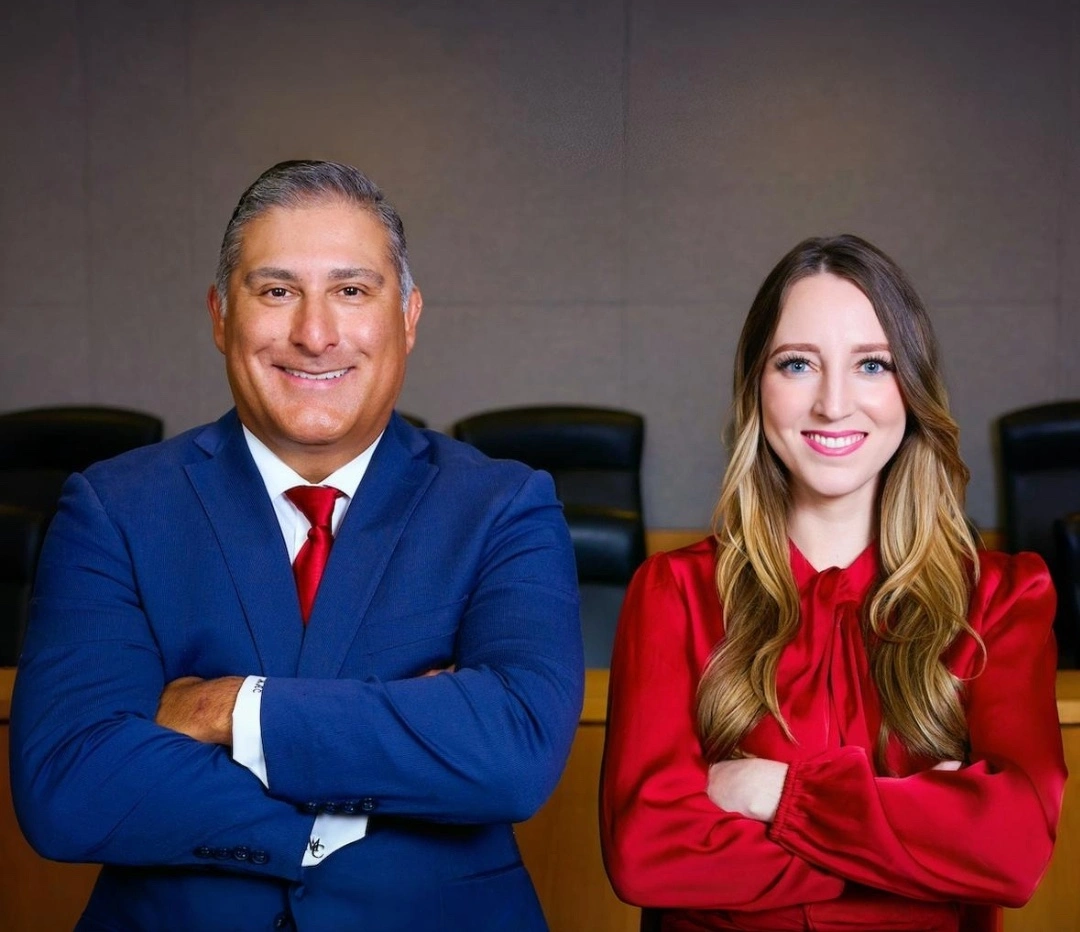
At Marc Chavez Law Firm, we leverage 18 years of prosecutorial experience to provide unique insights into the DWI legal process. Marc Chavez, recognized as a Super Lawyer and a Rising Star for four consecutive years, underscores our commitment to excellence. Our firm emphasizes a personalized approach, ensuring direct communication and dedicated attention throughout your case.
Prosecutorial experience is a significant advantage when defending against DWI charges. Having spent years on the other side, Marc Chavez understands the strategies and tactics that prosecutors use to build their cases. This insider knowledge allows us to anticipate the prosecution’s moves and develop a more effective defense strategy. We know how to identify weaknesses in the prosecution’s case, challenge the evidence, and negotiate favorable outcomes.
If you’re facing refusal charges, contact us for a free consultation. Our skilled attorneys are here to help navigate the legal system, reduce penalties, and protect your rights. You can trust Marc Chavez Law Firm to provide the support and guidance you need during this challenging time. Call us today at 512-337-9774.
Frequently Asked Questions
What are the legal consequences of refusing a breathalyzer for a commercial driver?
Refusing a breathalyzer can have severe consequences for commercial drivers. Besides license suspension, they may face disqualification from operating commercial vehicles for a year or more, affecting their livelihood. Fines and penalties can also be higher compared to non-commercial drivers.
Can I be forced to take a breathalyzer test if I have a medical condition?
If you have a medical condition preventing you from taking a breathalyzer, inform the officer immediately. Conditions like asthma or COPD can make it hard to provide a breath sample. Law enforcement may then seek a blood test to determine your BAC. Consult your attorney on how your condition can be factored into your defense.
How does refusing a breathalyzer affect my insurance rates?
Refusing a breathalyzer can significantly increase your auto insurance premiums. Insurers view refusal as high-risk behavior, often categorizing you as a high-risk policyholder, leading to higher premiums and possibly difficulty securing standard coverage. Consult your insurance provider for specifics.
What happens if I refuse a breathalyzer while on probation?
Refusing a breathalyzer while on probation can lead to legal complications. Probation terms often include abstaining from alcohol and complying with laws. A refusal can violate probation, potentially leading to revocation and the original sentence being imposed, including jail time.
Can refusing a breathalyzer be used against me in court?
Yes, refusal can be used against you in court. Prosecutors may argue it indicates guilt, suggesting you were aware of your intoxication. This can be persuasive to a jury and complicate your defense. An attorney can help counter these arguments and present a strong defense.
Additional Resources
Contact Us
schedule a Consultation Today
Fields Marked With An * Are Required
"*" indicates required fields
Call Our Office Today
512-337-9774
Round Rock Office
2251 Double Creek Drive Suite #601
Round Rock, TX
78664
NEW Austin Office
505 W 12th Street Suite #200M
Austin, TX
78701
