
Call Our Office Today
(512) 337-9774
How Can I Challenge Evidence in an Assault Case?

Facing assault charges can be overwhelming, especially when the prosecution’s evidence seems daunting. However, knowing how to challenge this evidence is crucial for ensuring a fair trial and possibly dismissing charges. Evidence in assault cases can be direct, like eyewitness testimony, or circumstantial, which requires inference to make connections. For instance, a video of an alleged victim with injuries doesn’t necessarily prove who caused them.
At Marc Chavez Law Firm, we focus on breaking down and challenging such evidence, using our experience to spot weaknesses in the prosecution’s case. Our team is well-versed in Texas law and offers free consultations to help you understand your legal options.
Don’t let intimidating evidence hold you back. Contact Marc Chavez Law Firm at 512-337-9774 for a free consultation. Let our skilled legal team guide you through the complexities of your Georgetown assault case. We are committed to creating a defense strategy tailored to your specific situation, giving you the best possible chance for a favorable outcome.
Building a Strong Defense Strategy
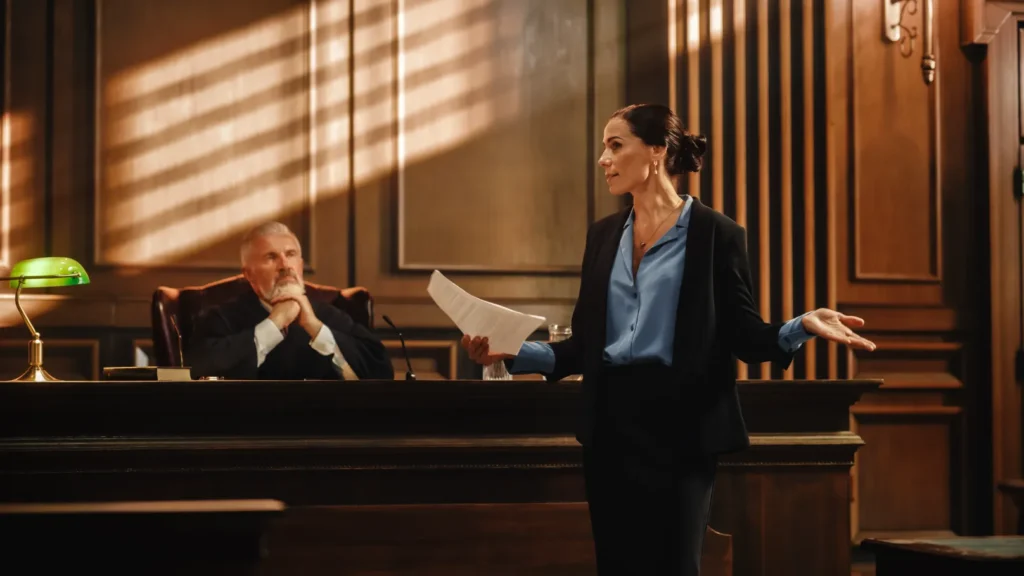 Innocence is a fundamental defense strategy, as the legal system presumes innocence until guilt is proven. This principle forms the foundation of any criminal defense and guides the creation of a defense strategy tailored to each client’s unique situation. False assault allegations are common and can substantially weaken the prosecution’s case. Defense attorneys focus on these unique circumstances, enhancing the client’s case by carefully reviewing details, identifying weaknesses in the evidence, and challenging any procedural errors.
Engaging with prosecutors early is another critical aspect of a strong defense strategy. This proactive approach opens doors for negotiating reduced charges or alternative resolutions. Skilled defense attorneys understand the value of early engagement and work diligently to develop defense strategies that align with the client’s needs.
Expert testimony plays a crucial role in the defense by offering specialized insights that challenge the prosecution’s claims. A well-crafted defense strategy is essential for contesting the prosecution’s evidence and increasing the chances of a successful case.
Personalized defense strategies, tailored to the specific circumstances of each case, prove to be more effective. Understanding the classifications of assault charges helps in customizing the defense strategy to address the specific charges and evidence presented.
Immediate Steps After Being Charged with Assault

When you’re facing assault charges, it’s important to act quickly and strategically to protect your rights and build a strong defense.
- Engage a Criminal Defense Attorney: Contact a criminal defense attorney immediately to ensure your rights are protected from the outset. A seasoned attorney will guide you through the legal process and help you navigate the complexities of your Georgetown assault case.
- Exercise Your Right to Remain Silent: Do not discuss the incident with law enforcement without your attorney present. Anything you say can be used against you in court, so it’s vital to remain silent until you have legal representation.
- Understand Your Rights: Familiarize yourself with your legal rights, including the right to remain silent and the right to an attorney. Knowing these rights is essential to avoid inadvertently harming your defense.
- Gather Evidence: Collect any available evidence, such as witness statements, photographs, or videos that may support your case. Your attorney will assist in gathering and preserving this evidence to create reasonable doubt about the prosecution’s claims.
- Stay Composed: Remain calm and composed throughout the process. Emotional reactions can complicate the situation and weaken your defense. Follow your attorney’s advice to manage stress and focus on preparing a strong defense strategy.
- Document the Incident: Record all details of the alleged incident, including time, location, and any potential witnesses. This information will be valuable in constructing your defense.
- Avoid Contact with the Alleged Victim: Refrain from any contact with the alleged victim to prevent further complications or accusations. This is critical for maintaining the integrity of your defense strategy.
- Attend All Court Appearances: Ensure you attend all scheduled court appearances and comply with any court orders. Missing court dates can result in additional legal consequences.
- Review the Assault Charges: Understand the specific assault charges you are facing and the potential consequences of an assault conviction. This knowledge will help you and your attorney tailor a defense strategy to your specific situation.
At Marc Chavez Law Firm, our team ofis here to support you every step of the way. We know that assault cases can be difficult, and we’re dedicated to crafting a strong defense strategy that fits your unique situation.
The Role of Intent in Assault Charges
Intent is a key factor in proving assault charges under the Texas Penal Code. To secure a conviction, the prosecution must demonstrate intent beyond a reasonable doubt. However, factors such as intoxication or mental health issues can make it challenging to assess intent. In some cases, mental illness may even negate the intent required for a conviction if a significant disorder is proven.
Arguing a lack of intent can be a powerful defense strategy, potentially leading to reduced charges or even dismissal. Defense attorneys need to thoroughly examine the case details to see if intent can be contested. By focusing on the role of intent, our team of defense attorneys at Marc Chavez Law Firm can create reasonable doubt and work towards achieving a favorable outcome for their clients.
Differentiating Between Direct and Circumstantial Evidence
Direct evidence clearly connects the defendant to the alleged crime, while circumstantial evidence does so indirectly, requiring some interpretation or inference. Understanding these differences is essential for building a strong defense strategy. Direct evidence includes things like eyewitness accounts or video footage that directly shows the incident. On the other hand, circumstantial evidence implies a connection between the defendant and the crime without directly proving it.
When dealing with circumstantial evidence, the defense may propose alternative explanations that create reasonable doubt. By presenting believable scenarios that contradict the prosecution’s story, the defense can weaken the impact of circumstantial evidence. This approach is vital for challenging the prosecution’s case and ensuring the defendant receives a fair trial.
Analyzing Prosecution’s Evidence
Prosecutors need strong evidence to prove assault charges in court. In Texas, this evidence must follow constitutional guidelines and state rules. It’s important to carefully examine each piece of evidence the prosecution presents. Defense attorneys work to create alternative stories that challenge the prosecution’s claims and highlight any weaknesses.
Forensic experts can identify errors or inconsistencies in the evidence, which can weaken the prosecution’s case. Physical evidence, such as photos of injuries or weapons, is used to support the prosecution’s claims. If evidence is collected or handled improperly, it might not be allowed in court, which can greatly affect the prosecution’s case. Noting any procedural errors can help in questioning the validity of the evidence.
Medical records of injuries are necessary as they show evidence of harm, including serious bodily injury. Defense attorneys closely review these medical records for any inconsistencies or mistakes that could undermine the prosecution’s case. Thoroughly analyzing the prosecution’s evidence allows defense attorneys to develop a strategy to counter each claim and introduce reasonable doubt.
Challenging Witness Testimony
Challenging witness testimony is vital when defending against assault charges. Defense attorneys assess the reliability of eyewitness accounts to find potential inaccuracies. By identifying any biases, they can weaken the credibility of the prosecution’s case. A witness’s perceived bias or motive can undermine their trustworthiness in the eyes of the jury.
Cross-examination is a key tool for exposing inconsistencies in witness statements. By asking targeted questions and highlighting discrepancies, defense attorneys can create doubt about the reliability of the testimony. Factors like poor lighting, long distances, and obstructed views can affect a witness’s memory. These aspects must be thoroughly examined during cross-examination to challenge the prosecution’s case.
The accuracy and consistency of a witness’s memory over time can impact their reliability. At Marc Chavez Law Firm, we carefully review witness statements for changes or contradictions that could undermine credibility. Successfully challenging witness testimony can greatly influence the trial and protect the client’s rights.
Questioning Police Procedures
Questioning police procedures is vital when defending against assault charges. Evidence must adhere to constitutional standards and the Texas Rules of Evidence. If police mishandle evidence collection, it may become inadmissible in court. Such procedural errors provide the defense with opportunities to contest the prosecution’s case, which can be crucial in a trial. Improperly gathered evidence weakens the prosecution’s position and raises doubts about their claims.
If you believe the police failed to follow proper procedures during your arrest, it is crucial to document key details. This can include the time and location, the names or badge numbers of the officers involved, and the presence of any witnesses. Gather supporting evidence, such as video footage, photos, or witness statements, to bolster claims of improper police conduct. Consulting a criminal defense attorney is essential if you believe police procedures were not followed correctly.
Can I Get Body Cam Footage to Support My Defense?
Body cam footage can be vital in defending against assault charges. This footage often provides an unbiased view of what happened during an arrest, potentially revealing mistakes or differences in the prosecution’s story. To get this footage, your criminal defense attorney can request it from the relevant law enforcement agency. It’s critical to act swiftly, as there may be rules on how long this footage is kept.
By examining body cam footage, defense attorneys can spot differences in police reports or witness accounts, which strengthens your defense. This evidence can greatly impact the outcome of your case by supporting claims of self-defense or highlighting police errors. At Marc Chavez Law Firm, we recognize the importance of collecting all available evidence, including body cam footage, to build a strong defense strategy tailored to your situation.
Self-Defense and Justification
In Texas, self-defense is a valid legal reason to avoid being convicted of assault. To prove self-defense, you must show that the force you used was necessary to prevent immediate harm. Texas law permits people to use reasonable force to protect themselves or their property. It’s also legal to defend another person if they are in serious and immediate danger.
Explaining your reasons for using self-defense can help create reasonable doubt in assault cases. By providing a detailed account of what led to the use of force, defense attorneys can challenge the prosecution’s claims and aim for a positive resolution. Self-defense and justification are powerful strategies that can greatly affect the result of an assault case, especially when imminent bodily injury is involved.
How Does the Law Define “Reasonable Force” in Self-Defense?
In self-defense situations, “reasonable force” means using just enough force to protect yourself or someone else from immediate harm or injury. According to Texas law, the force used should match the threat level. This means that the force should not be more than what is needed to stop the danger. For example, using physical contact to push away an attacker is usually considered reasonable, but using a deadly weapon might be seen as too much if the threat isn’t life-threatening.
Deciding what counts as reasonable force can be subjective and varies with each situation. Factors like the size and strength of the people involved, the type of threat, and how immediate the danger is are all taken into account. Defense attorneys are important in showing that the force used was justified and needed, which can lead to less severe charges or even dropping the assault charges. By clearly explaining the idea of reasonable force, legal teams can greatly affect the aftermath of assault cases.
Utilizing Expert Witnesses
Expert witnesses play an important role in simplifying complex assault cases by offering their specialized knowledge. They help review and interpret forensic evidence, providing clarity and challenging the prosecution’s claims. By breaking down scientific topics, expert witnesses make difficult evidence easier for the jury to understand. Their testimony remains neutral, aiming to present an unbiased perspective rather than siding with either party.
Various expert witnesses, like forensic psychiatrists, can address specific issues such as mental competency in assault cases. They often produce written reports that summarize their findings and opinions for the court. By leveraging expert witnesses, defense attorneys can greatly impact the trial’s decision, striving to achieve the best possible result for their clients.
How Marc Chavez Law Firm Can Help You
Marc Chavez Law Firm focuses on providing personalized legal defense for those facing both minor and serious criminal charges. With experience as former prosecutors, we have a deep understanding of how the prosecution works, which enhances their defense strategies. The firm emphasizes a client-centered approach, ensuring each client receives individual attention and legal support tailored to their specific needs.
Marc Chavez Law Firm has a strong record of achieving positive solutions, including dismissals and acquittals, in various criminal cases. In addition to criminal defense, we offer comprehensive legal services in family law and personal injury. Our firm is dedicated to helping clients navigate the Texas criminal justice system, ensuring we fully understand their rights and options.
By choosing Marc Chavez Law Firm, clients gain a legal team with a history of success and a commitment to securing the best possible results. Our focus on personalized defense and extensive legal experience make us a valuable ally for anyone facing assault charges in Georgetown.
If you need a proven defense strategy tailored to your specific situation, don’t hesitate to reach out. Call us today at 512-337-9774 for a free consultation and take the first step towards safeguarding your future.
Contact Us
schedule a Consultation Today
Fields Marked With An * Are Required
"*" indicates required fields
Call Our Office Today
512-337-9774
Round Rock Office
2251 Double Creek Drive Suite #601
Round Rock, TX
78664
NEW Austin Office
505 W 12th Street Suite #200M
Austin, TX
78701
