
Call Our Office Today
(512) 337-9774
Child Car Seat Laws in Texas
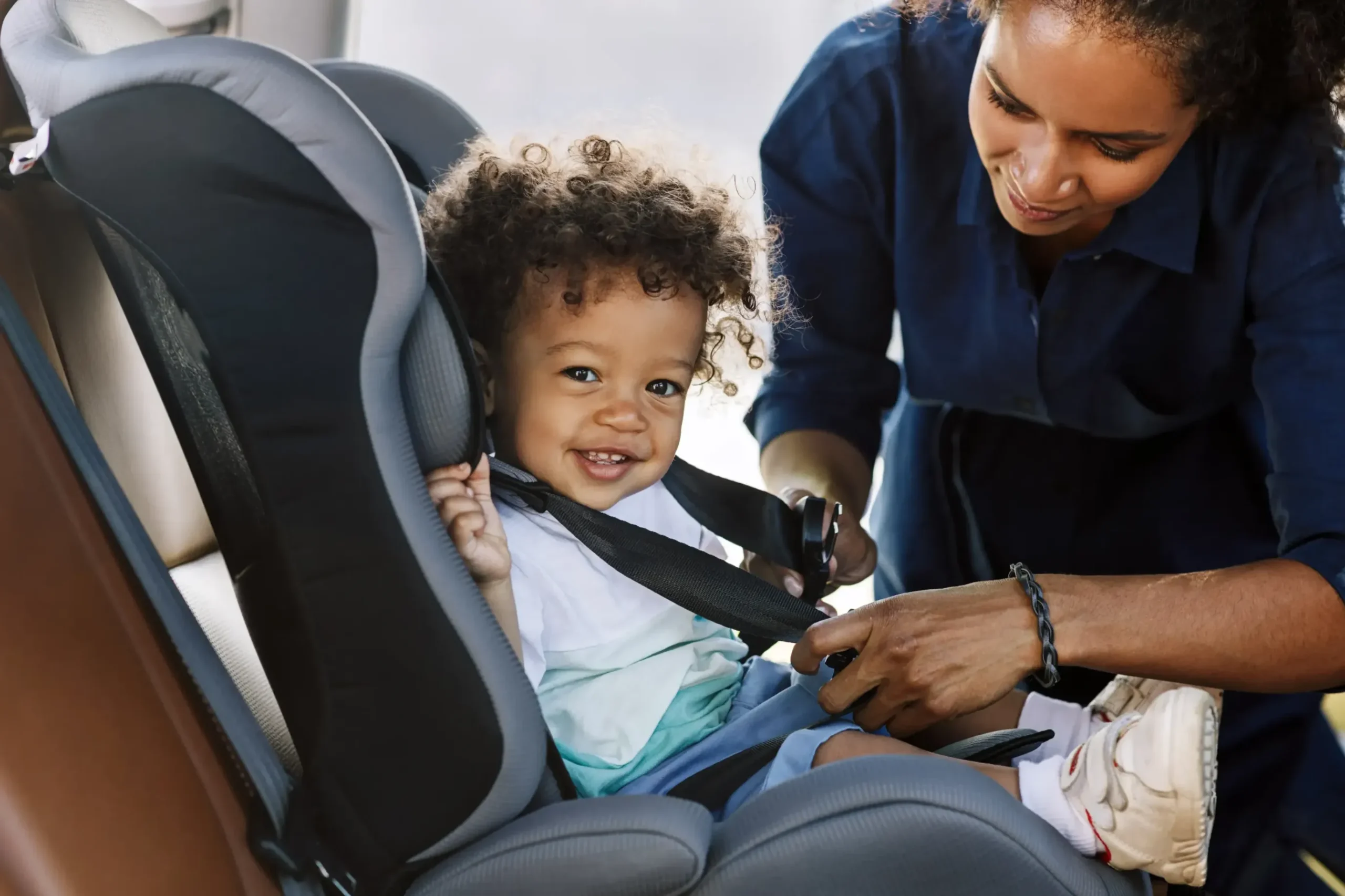
Texas law takes child passenger safety seriously, requiring parents and caregivers to use the correct car seats, booster seats, and seat belts for every trip. These laws are designed to reduce the risk of serious injury or death in a crash by ensuring that children are properly restrained for their age, height, and weight. Understanding these rules is essential for parents across Texas and can help prevent legal penalties and tragic outcomes alike.
At Marc Chavez Law Firm, we’ve seen firsthand how improper restraints can cause devastating injuries in car accidents. As a former prosecutor who has handled cases involving vehicle collisions and child safety violations, Marc Chavez uses that experience today to protect families and pursue justice when negligence causes harm. For guidance after a serious crash, call (512) 337-9774 or contact us online for a free consultation.
Texas Child Car Seat Requirements
Under Texas Transportation Code §545.412, every child under eight years old must be secured in an appropriate child safety seat system unless they are taller than 4 feet 9 inches. Once a child meets that height requirement or turns eight, they may use an adult seat belt. However, safety experts often recommend continuing to use a booster seat until the seat belt fits properly across the chest and lap.
The state’s child safety guidelines generally follow this progression:
- Rear-Facing Car Seats: Infants and toddlers should remain in a rear-facing seat until they are at least two years old or reach the height or weight limit set by the manufacturer. This position provides maximum head and neck protection during a collision.
- Forward-Facing Car Seats: Once a child outgrows the rear-facing seat, they should use a forward-facing seat with a harness system. Keep them in this seat as long as possible before transitioning to a booster.
- Booster Seats: Children typically use booster seats from about age four until they reach 4 feet 9 inches in height. The booster ensures that the seat belt lies across the upper thighs and chest rather than the stomach and neck.
- Seat Belts: When a child is big enough for the seat belt to fit correctly without a booster, they can use the vehicle’s restraint system alone. The lap belt should rest across the hips, not the abdomen, and the shoulder belt should cross the chest.
Penalties for Violations
Drivers who fail to secure a child properly can face fines up to $250 and court costs. More importantly, failing to use the correct seat greatly increases the risk of serious injury or death in a crash. According to the Texas Department of Transportation, car seats can reduce fatal injury risk for infants by up to 71% and for toddlers by up to 54%.
Safety Tips for Parents
- Always register your car seat with the manufacturer to receive recall notices.
- Replace any car seat that has been in a moderate or severe crash.
- Avoid used or expired car seats, as they may no longer meet current safety standards.
- Schedule a free inspection with a certified Child Passenger Safety Technician. Many Austin-area police departments and hospitals offer this service to the public.
Protecting Your Family After an Accident
Even when parents do everything right, crashes caused by negligent drivers can still lead to serious injuries for children. If your child was hurt in a car crash, you may be entitled to compensation for medical expenses, emotional trauma, and long-term care needs.
Marc Chavez Law Firm is dedicated to protecting injured children and their families across Texas. Call (512) 337-9774 or contact us online to schedule a free consultation and learn how we can help you hold negligent drivers accountable.

Contact Us
schedule a Consultation Today
Fields Marked With An * Are Required
"*" indicates required fields
Call Our Office Today
512-337-9774
Round Rock Office
2251 Double Creek Drive Suite #601
Round Rock, TX
78664
NEW Austin Office
505 W 12th Street Suite #200M
Austin, TX
78701
