
Call Our Office Today
(512) 337-9774
What Can Be Done to Ensure a Juvenile’s Education Is Not Disrupted During the Legal Process?
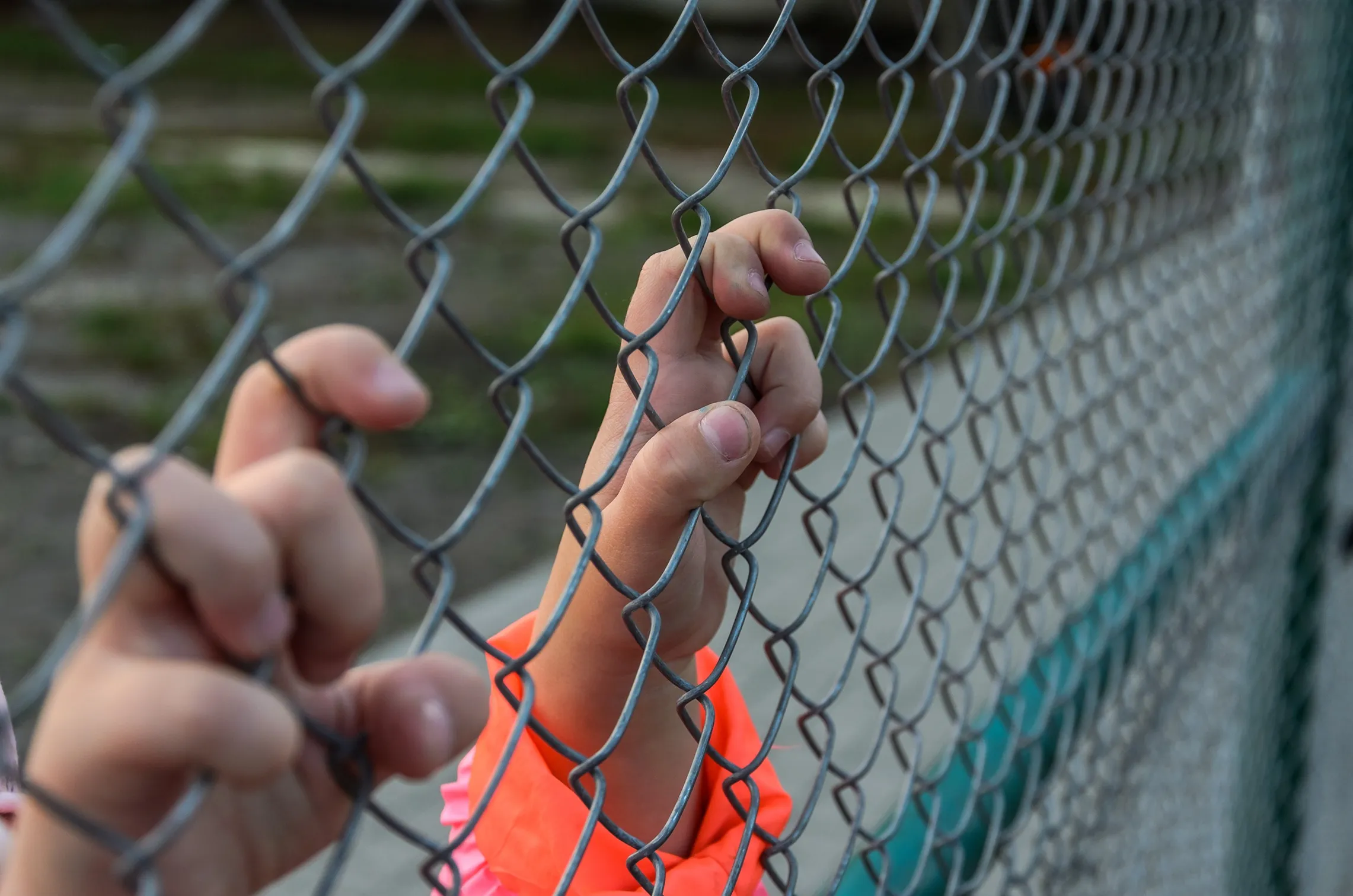
When a young person encounters legal issues, their education can be significantly affected. The legal process often brings various challenges that can interrupt a juvenile’s academic progress, leading to missed school days, increased stress, and potential academic decline. It is important to explore strategies and support systems that can help maintain educational continuity for juveniles facing legal hurdles, ensuring they do not fall behind and have the opportunity to succeed both within and beyond the classroom.
At Marc Chavez Law Firm, we are dedicated to safeguarding your child’s education during legal challenges. Our compassionate and vigorous approach focuses on rehabilitation and securing positive future opportunities. Don’t let legal issues derail your child’s education. Reach out to us today to discuss how we can help. Call us at 512-337-9774 to schedule a free consultation and take the first step toward protecting your child’s future.
The Impact of Legal Issues on Juvenile Education
When a young person becomes involved in the juvenile justice system, their education often becomes uncertain. Legal proceedings can disrupt their ability to attend school, leading to missed days, increased stress, and a drop in academic performance. This widespread issue impacts adolescent development, and mental health, with increases in the risk of recidivism.
Incarcerated youth should benefit from tailored education programs but often face punitive environments instead. This contrasts with findings in developmental psychology and neuroscience, which highlight the potential for growth and change in young minds.
Legal Rights of Juveniles to Education
Grounded in the 14th Amendment’s due process clause, the legal system ensures that juveniles’ educational rights are preserved even when they enter the juvenile court system. Laws reinforce this commitment by providing funding and setting standards for education programs within juvenile detention and correctional facilities.
Key legal provisions include:
- 14th Amendment’s Due Process Clause: Ensures that juveniles retain their educational rights even within the juvenile court system.
- Juvenile Justice and Delinquency Prevention Act (JJDPA): Provides funding and sets standards for education programs in juvenile facilities.
- Individuals with Disabilities Education Act (IDEA): Guarantees appropriate educational opportunities, services, and support for juveniles with disabilities, including the crafting of Individualized Education Programs (IEPs).
- Title 42, Section 1983 of the U.S. Code: Allows juveniles and their guardians to challenge violations of their constitutional and federal educational rights.
Legal Advocacy and Educational Rights
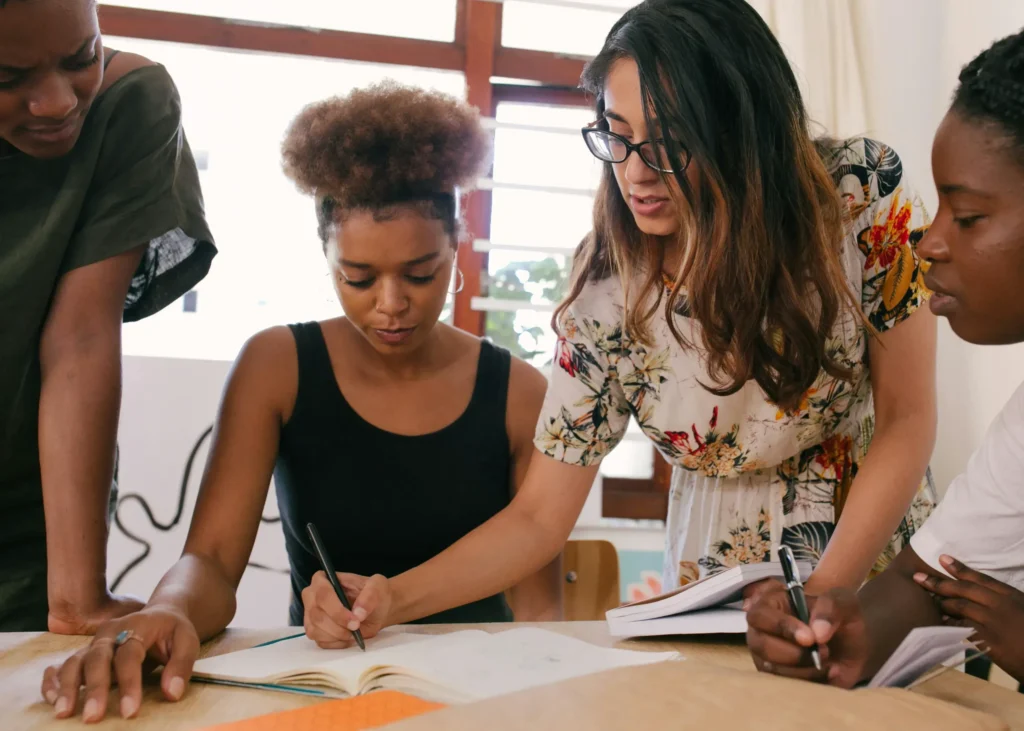 At the heart of legal advocacy and educational rights for juveniles is the belief that access to quality education is a fundamental right, not a privilege, that must be upheld even when youths are involved with the criminal justice system.
Strategies to support educational progress for juveniles in the legal system go beyond compliance with laws. They involve proactive engagement with youth in creating transition plans and developing policies that consider their developmental stage. When these mandates are not met, the legal system steps in—lawsuits against juvenile correctional programs for failing to provide adequate education are a testament to the vigilance required to protect these rights.
Understanding the Secondary Education Act
The Secondary Education Act is a piece of federal education policy that protects juveniles in residential facilities. This act ensures that the educational services they receive align with the standards set by the broader education system. It forces programs within the juvenile justice system to adhere to federal civil rights laws, ensuring that every young individual under its care has equal access to the educational opportunities that will shape their futures.
The Secondary Education Act has undergone numerous amendments to address the evolving educational needs of all students, including those in the juvenile justice system. The act emphasizes the importance of providing a high-quality education to marginalized and disadvantaged groups, recognizing that education is a critical tool for breaking the cycle of poverty and criminal behavior.
Key provisions of the Secondary Education Act include:
- Educational Standards: Ensuring that educational services in juvenile facilities meet the same standards as those in the broader education system.
- Adherence to Civil Rights Laws: Mandating compliance with federal civil rights laws to provide equal access to educational opportunities.
- Funding for Educational Programs: Allocating funds for programs aimed at improving educational outcomes for at-risk youth.
- Teacher and Staff Training: Providing training for teachers and staff within juvenile facilities to address the unique needs of justice-involved youth.
- Curricula Development: Developing curricula tailored to the specific educational needs of juveniles in the justice system.
- Transition Initiatives: Facilitating smoother transitions back into traditional school settings upon release.
By ensuring that these young individuals receive a quality education, the Secondary Education Act plays a pivotal role in promoting their long-term success and reducing reoffending rates.
The Role of Law Enforcement Agencies in Supporting Education
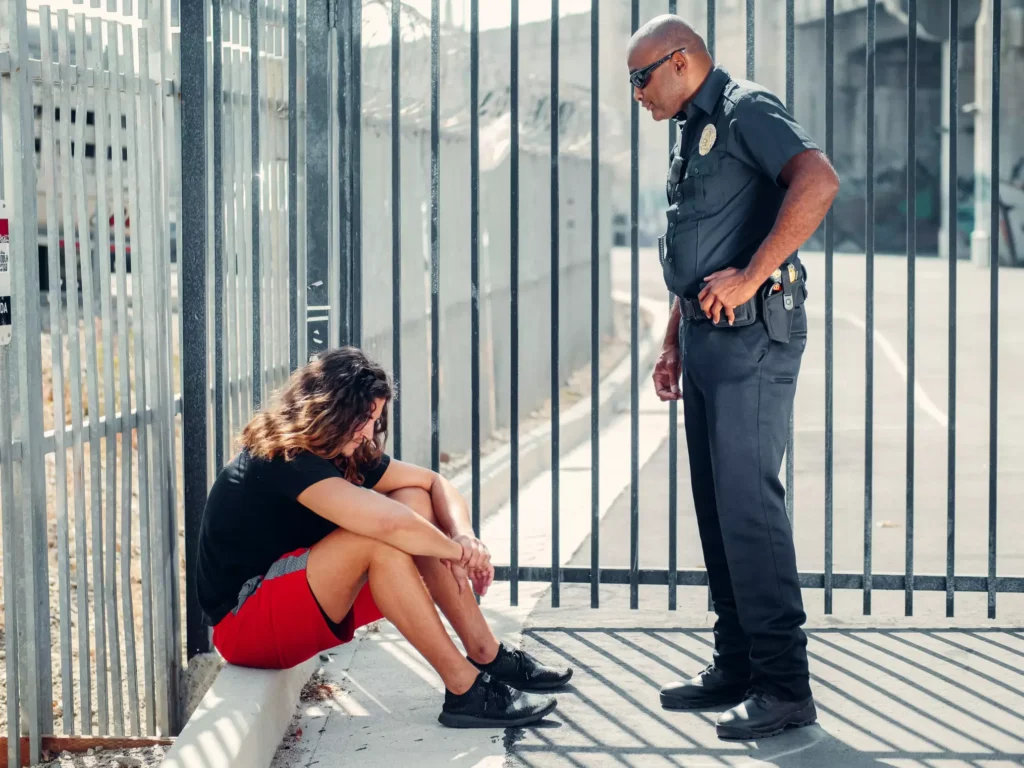 Law enforcement agencies play a pivotal role in supporting the educational needs of juveniles, often partnering with schools to create safe and conducive environments for learning. Their involvement goes beyond maintaining order; they provide valuable training programs, resources, and financial support to address issues like school safety, substance abuse, and bullying prevention.
This collaboration is important in crafting comprehensive community plans that support the educational and developmental needs of young people, enabling them to thrive despite the challenges they face.
Restorative Practices in School Discipline
Restorative practices in school discipline represent a shift from punitive measures to those that encourage accountability, healing, and growth. By involving all affected parties in the resolution process, schools, and law enforcement agencies create an environment that fosters:
- Understanding
- Empathy
- Communication
- Problem-solving
- Responsibility
This approach aims to prevent further criminal system involvement and promote positive relationships within the school community. These practices are not only a response to misbehavior but also a proactive measure that enhances the school climate, building trust and improving the skills of educators and school administrators to support the holistic development of students in on-ground schools while adhering to school rules.
Ensuring Continuity in Education for Justice-Involved Youth
Over 170,000 youth face the dual challenge of managing their educational and legal issues concurrently. These individuals, often within the confines of a facility, confront class sizes and educational services that greatly differ from their peers in public schools. Education within these settings serves as a lifeline that fosters youth development, equipping these young adults with the essential tools needed for reentry into society and the workforce. The challenges of their past—experiences of trauma and neglect—are significant, but education can be a powerful force for change.
Collaborative Efforts Between Schools and the Juvenile Justice System
The bridge between juvenile justice and education relies on teamwork between schools and the juvenile justice system working together to ensure that the academic progress of youth in detention continues. Initiatives such as teacher training for at-risk students, mentorship opportunities, and on-site school programs in detention centers are the results of this collaboration. By sharing data and information in real-time, educators and court staff can create customized educational plans. This helps ensure that learning continues smoothly, even when a student is involved in court proceedings.
Strategies for Minimizing Disruption
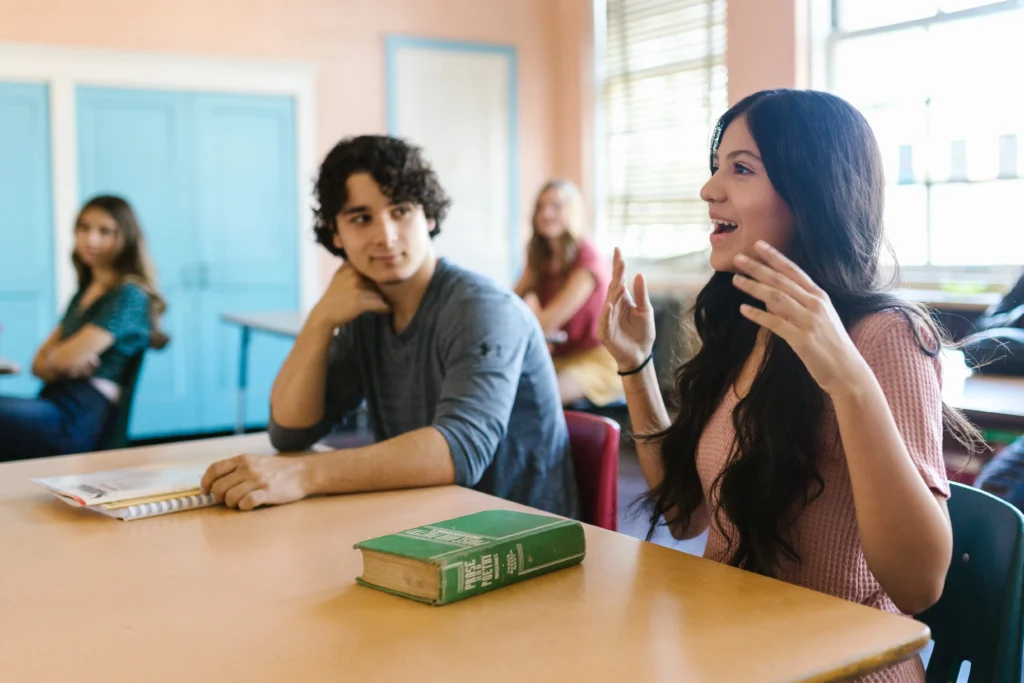 As those invested in the future of justice-involved youth, we must promote strategies that ensure their education is minimally affected by their legal challenges. Tailoring transition plans that acknowledge the unique trajectory of each juvenile, schools and juvenile justice systems can create flexible schedules and support services that cater to their evolving needs. Options such as tutoring, online platforms, and community-based educational programs offer a semblance of normalcy and uninterrupted learning, even throughout legal proceedings.
These efforts not only reduce the immediate impact of the juvenile justice system on a student’s education but also lay the groundwork for long-term success, reducing the likelihood of reoffending and fostering reintegration into society. By prioritizing educational continuity, we not only uphold the rights of these youth but invest in their capability to contribute positively to our communities in the future.
Role of Legal Professionals in Supporting Juvenile Education
Legal professionals play an important role in this process as they not only ensure compliance with educational standards but also advocate for the rights and well-being of juveniles. Their involvement is essential in the legal system that intersects with educational needs. By working closely with educators, social workers, and families, a knowledgeable and experienced juvenile defense attorney can help create individualized education plans that cater to the unique circumstances of each juvenile.
Legal professionals often engage in policy advocacy, pushing for reforms that improve educational access and quality for justice-involved youth. Their efforts extend to providing legal representation and support in court, ensuring that juveniles’ educational rights are upheld during legal proceedings. Through their dedication and experience, juvenile attorneys play a pivotal role in bridging the gap between the juvenile justice system and educational continuity, fostering an environment where young individuals can thrive despite their legal challenges.
A juvenile attorney ensures that educational programs within juvenile detention facilities adhere to the high standards set by federal laws such as IDEA and JJDPA. With a thorough understanding of the law and commitment to juvenile welfare, our juvenile attorneys at Marc Chavez Law Firm advocate for restorative practices and a learning environment that prioritizes the well-being of incarcerated youth.
Legal Representation for Juveniles
Legal representation, a constitutional right for young people in the juvenile justice system, is a critical component of their defense and fair treatment. At Marc Chavez Law Firm, our criminal defense lawyers work tirelessly to provide youth with the best possible defense, collaborating with educators, social workers, and guardians to address the educational challenges that arise from system involvement. Despite often facing resource constraints, our unwavering commitment to upholding justice and accountability ensures that the educational needs of juveniles are not sidelined.
How Marc Chavez Law Firm Can Help You
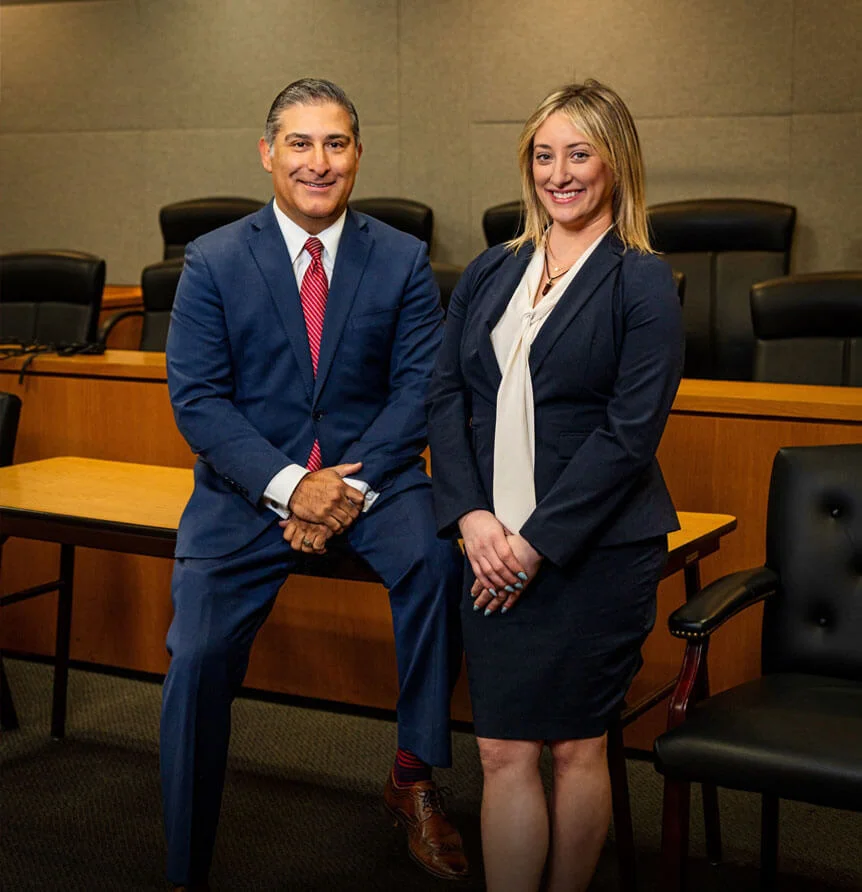 At Marc Chavez Law Firm, we understand the challenges that come with juvenile legal issues and their impact on education. With our extensive experience in juvenile criminal defense, we offer a compassionate and vigorous approach to ensure that your child’s education remains a priority throughout the legal process. Our services include collaborative efforts with educational institutions and the courts, a tailored approach to each juvenile’s unique needs, and a strong focus on rehabilitation and positive future opportunities.
Our team’s prosecutorial experience is a significant asset, enabling us to anticipate and counter the strategies used by the prosecution. This insight allows us to build robust defenses and advocate more effectively for our clients. Our lead attorney, who has been named a Rising Star and for the last 4 years has been named a Super Lawyer, leverages this experience to navigate the complexities of the juvenile justice system with precision and skill.
We recognize the importance of protecting the privacy of minors in the juvenile justice system and conduct our legal proceedings with the utmost discretion. Our firm is dedicated to guiding young individuals past their early mistakes, providing guidance on sealing or expunging records, and advocating for their right to continue their education without disruption. When you choose Marc Chavez Law Firm, you choose a partner committed to shaping a brighter future for your child.
Contact Us Today
At Marc Chavez Law Firm, we are dedicated to ensuring that your child’s education remains uninterrupted during legal challenges. Our compassionate and vigorous approach focuses on rehabilitation and securing positive future opportunities. Don’t let legal issues derail your child’s education. Reach out to us today to discuss how we can help. Call us at 512-337-9774 to schedule a free consultation and take the first step toward safeguarding your child’s future.
Frequently Asked Questions
Can Marc Chavez Law Firm help with sealing or expunging juvenile records?
 Yes, Marc Chavez Law Firm offers guidance on sealing or expunging juvenile records to support young individuals in moving forward and building a better future. By removing these records from public view, juveniles can pursue higher education, employment, and other opportunities without the stigma of a criminal record. Our firm assists with understanding eligibility, filing necessary paperwork, and representing clients in court.
What role do parents play in maintaining their child’s education during legal issues?
Parents play a crucial role in maintaining their child’s education during legal issues by advocating for their child’s educational rights and staying actively involved in their academic progress. They can work closely with school officials and legal representatives to ensure that their child receives the necessary accommodations and support. Additionally, parents can provide emotional support and stability at home, which is essential for their child’s well-being and academic success.
Are there specific programs designed to help juveniles transition back to school after detention?
Yes, there are specific programs designed to help juveniles transition back to school after detention. These programs often include re-entry planning that begins while the youth is still in detention, focusing on academic assessments and goal setting. They may also offer mentorship, tutoring, and counseling services to address both educational and emotional needs, ensuring a smoother reintegration into the school environment.
How do legal issues affect a juvenile’s eligibility for special education services?
Legal issues do not negate a juvenile’s eligibility for special education services. Under the Individuals with Disabilities Education Act (IDEA), juveniles with disabilities have the right to receive appropriate educational accommodations and services, even while involved in the juvenile justice system. Ensuring that these rights are upheld requires collaboration between legal representatives, educators, and special education professionals to develop and implement effective IEPs.
Can a juvenile’s educational records be used in court proceedings?
 Yes, a juvenile’s educational records can be used in court proceedings, particularly when they pertain to the individual’s educational needs and progress. These records can provide valuable insights into the juvenile’s background, learning challenges, and any special education services they receive. However, measures should be taken to protect the confidentiality of these records and ensure they are used appropriately within the legal context.

Contact Us
schedule a Consultation Today
Fields Marked With An * Are Required
"*" indicates required fields
Call Our Office Today
512-337-9774
Round Rock Office
2251 Double Creek Drive Suite #601
Round Rock, TX
78664
NEW Austin Office
505 W 12th Street Suite #200M
Austin, TX
78701
