
Call Our Office Today
(512) 337-9774
Austin Drug Crime Lawyer
 A drug charge in Austin can feel confusing fast because one case can involve police, prosecutors, lab testing, bond conditions, court settings, and worries about work or school. Many people also feel ashamed before they even know what the state can prove. That is one reason clear information matters from the start.
The type of substance, the amount, the location of the arrest, the reason police searched you, and whether the state claims intent to deliver can all change the direction of the case. Our Austin drug crime lawyer will give you straight answers before you make any major decision on what to do next. You can schedule a free consultation by calling Marc Chavez Law Firm at (512) 337-9774 or using our online form.
Why Clients in Austin Choose Marc Chavez Law Firm
 As a former Assistant District Attorney who spent 12 years prosecuting cases, four in Lubbock County and eight in Travis County, Marc Chavez knows how the state builds its drug cases because he built them himself. He understands how prosecutors review police reports, weigh officer testimony, evaluate search issues, and decide whether to offer a plea or push a case forward.
In a drug case, that inside perspective helps us spot weak evidence earlier, challenge assumptions about intent to deliver, question whether the substance was truly connected to you, and push back when the charge is stronger on paper than it is in court. Marc Chavez has been recognized as a Rising Star and has been named a Super Lawyer for four consecutive years, reflecting a consistent record of respected advocacy.
Marc has tried cases ranging from Class C tickets to capital murder, and that courtroom background shapes how we prepare every file. We do not treat a drug charge like a formality or rush you toward the fastest answer. We look at the stop, the search, the arrest, the lab work, the prosecutor’s likely argument, and the consequences you are trying to avoid.
What Texas Drug Charges Usually Focus On
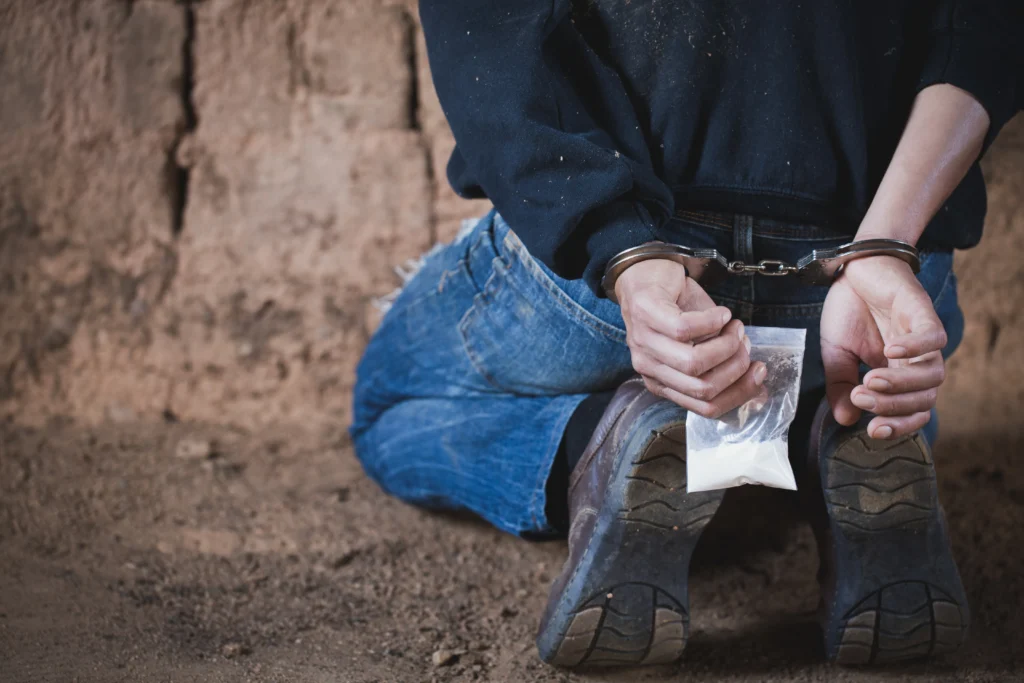 Texas handles many drug cases under the Texas Controlled Substances Act. The law separates drugs into penalty groups, and the penalty often depends on the group and the weight. A small amount of one substance may be treated very differently from the same amount of another substance.
Common drug case issues include:
- Drug possession: The state claims you knowingly had care, custody, control, or management of the substance.
- Manufacture or delivery: The state claims you made, sold, transferred, or intended to transfer a controlled substance.
- Marijuana possession: Texas still criminalizes many marijuana cases under Health and Safety Code § 481.121, even though laws in other states are different.
- Prescription drug cases: A valid prescription, a pill bottle, a medical record, or a pharmacy history may be important.
- Drug paraphernalia: Pipes, baggies, scales, or other items may affect how prosecutors view the facts.
A charge is not proof. In many cases, the real fight is not just about what the police found. It is about where they found it, how they found it, whether they had a lawful reason to search, and whether the state can connect the item to you.
Why Austin and Travis County Details Can Affect the Case
Austin drug cases often move through Travis County systems, and that local path matters. Felony drug cases in Travis County are prosecuted by the Travis County District Attorney’s Office, while the Travis County Attorney’s Office handles misdemeanor cases. Criminal courts are located at the Blackwell-Thurman Criminal Justice Center.
This local court structure can affect timing and strategy. A misdemeanor marijuana case may involve different prosecutors, records, and court settings than a felony controlled substance case. Some arrests begin with contact by the Austin Police Department, while others involve the Travis County Sheriff’s Office, Texas Department of Public Safety, or multi-agency investigations. Those differences can affect body camera requests, search warrant review, lab reports, and witness availability.
The First Legal Questions After a Drug Arrest
Early questions often shape the case more than people realize. Before any plea offer is seriously considered, the defense should look closely at what the police did and what the state can prove. An Austin drug crime attorney can review whether the stop, detention, search, or seizure followed Texas and federal law.
Important defense questions may include:
- Why police made contact: A traffic stop, street encounter, warrant, or home search can raise different legal issues.
- Whether consent was voluntary: Police may claim you agreed to a search, but the facts may tell a different story.
- Where the substance was found: Drugs in a shared car, shared apartment, or borrowed bag may create proof problems.
These details may support a motion to suppress, a reduced charge, a dismissal, or a stronger position in plea discussions.
If you have a pending drug charge in Austin, you do not have to sort through court dates, bond paperwork, and police reports alone. A call can help you understand what kind of charge you are facing, what deadlines may be coming, and what questions you should ask before making a decision.
Common Questions About Austin Drug Charges
Can a Drug Case Be Dismissed Even If Police Found Drugs?
Yes, dismissal may be possible if the search was unlawful, the state cannot prove the drugs belonged to you, the lab result does not support the charge, or key evidence is missing. The facts decide whether dismissal is realistic.
Will a Drug Charge Stay on Your Record?
It can, but some people may qualify for expunction or nondisclosure depending on how the case ends. A dismissal, acquittal, deferred adjudication, or completed diversion program may affect your options.
Should You Talk to the Police to Explain What Happened?
Usually, you should not discuss the facts of a drug case with law enforcement officers unless you have legal guidance. Even a statement meant to clear things up may be used against you later.
Talk to Our Austin Drug Crime Lawyers Today
A drug case can move quickly after an arrest, citation, or court notice. Waiting can make it harder to collect video, review search issues, contact witnesses, or address bond conditions before they become bigger problems.
At Marc Chavez Law Firm, we will listen, give you honest recommendations, and help you decide the next step with your best interests at heart. If you need an Austin drug crime attorney, call us at (512) 337-9774 or use our online form for a free consultation.

Contact Us
schedule a Consultation Today
Fields Marked With An * Are Required
"*" indicates required fields
Call Our Office Today
512-337-9774
Round Rock Office
2251 Double Creek Drive Suite #601
Round Rock, TX
78664
NEW Austin Office
505 W 12th Street Suite #200M
Austin, TX
78701
